As kids get older, they are often so eager to become a teenager or a high schooler that they do not always realize the things that are left behind. They grow out of their voices, they become mature and they try to get as far away from anything that might make them seem “childish.” It is not until kids reach that age that they realize how much they miss being little or how much they miss the way things used to be.
Childhood memorabilia, any physical item, artifact or document saved from childhood that holds sentimental value, is something that high school students can keep as a way to still feel connected to their younger selves.
“Nowadays, we act so mature,” freshman Colt Clark said. “The things from our childhood remind us of a time when we didn’t have to be.”
Entering high school, then eventually adulthood, puts a lot of pressure on people, teenagers especially. They are constantly held to unwritten standards that they need to speak, think, dress and behave a certain way, or they are seen as immature or naive.
“I think it’s completely normal for teens to keep memorabilia from when they were younger because those items carry pieces of who they used to be,” sophomore Aubrey Melvin said. “They hold memories that can’t be replaced, moments of innocence, joy and the people or experiences that helped shape them. As life changes and people grow, those small things become reminders of where they came from, almost like a way to stay connected to a simpler time. Keeping them doesn’t mean someone is stuck in the past or immature, it means they value their story and the memories that made them who they are today.”
As a high school student, there is the pressure of grades, relationships, drama, gossip and so many other factors that add to the weight of being a teenager. However, as a little kid, problems were smaller. All that there was to worry about was the next play-date or what Santa was going to leave for Christmas. Keeping memorabilia reminds us of times when things were easier.
“When I was little, I used to be obsessed with this stuffed animal triceratops that would make dinosaur noises when squeezed,” sophomore Tyler Schmitt said. “I named him Butterscotch since that was what color he was manufactured in. I would keep him right next to my bed every night in my childhood.”
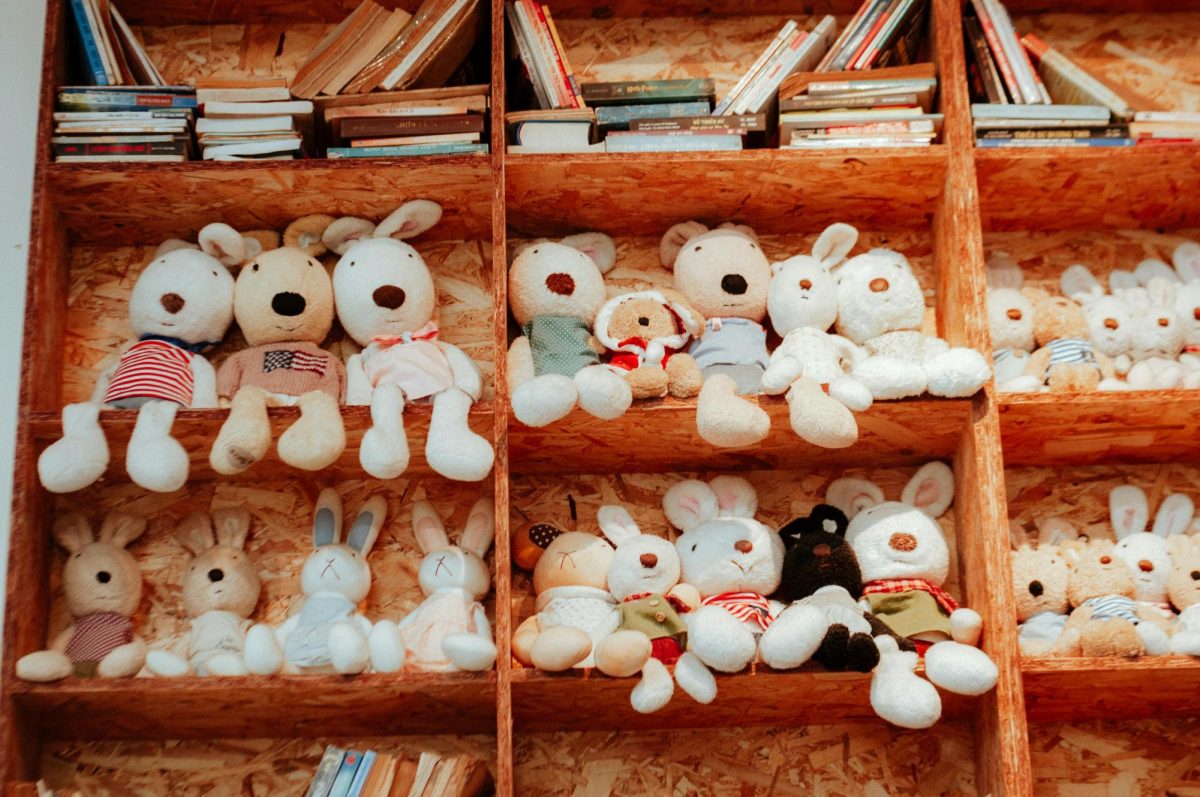
Students often like to keep stuffed animals, blankets and other memorabilia because it can bring them a sense of comfort when the overwhelming weight of getting older becomes difficult to bear. Over time, friendships fade, people grow distant, rooms are redecorated and it is almost as if nothing was the way it was when a kid. Having the opportunity to keep something from childhood throughout one’s whole life, no matter what happens, brings a sense of nostalgia that tends to make people feel better.
“I still have it because it is part of my life,” freshman Remington Meyer said. “It was there for me when I was to play school at home, do magic tricks for my family and just be there for me. I have had it ever since I was born.”
Childhood memorabilia, no matter how old or worn down, is extremely valuable to those who keep it. Not because it is worth a certain amount of money but because it is a reminder that even though they have grown up and things are different then they were before, there is one thing to hang on to that will stay through anything.
“My childhood memorabilia is a Marie stuffed animal from ‘The Aristocats,’” freshman Albany Simmons said. “She is very beat up and ragged-looking because my dog loves to chew her up. She is supposed to be white, but is more cream-colored and has half of her left ear missing, as well as all of her pink bows that she is supposed to be wearing. She is currently sitting next to all my romance books on my bookshelf. I plan to keep her for as long as I can and maybe when I’m older give her to my daughter, but who knows.”
The sentimental value that childhood memorabilia holds comes from the memories made with it as children grow up. Keeping the toys, blankets, and stuffed animals is seen as a way for students to keep these memories alive.
“I remember being able to be wrapped up in it, and I would use it as a sleeping bag most nights,” sophomore Tenley Beloat said about her large rainbow stuffed caterpillar. “It was able to fit like a border on my bed, so I fit it around my top bunk and created a little area out of it.”
High schoolers can often feel a pressure that they need to be mature and adult-like, not just because they are worried about what society as a whole will think of them but because they are worried about what their peers will think as well. However, one thing they can agree on is that it is completely normal to still have items from childhood that they hold dear.
“I think it is normal for teens to still have memorabilia from when they were a kid because it is something that a person never wants to give up,” Meyer said. “Giving it up can make a person feel like they have lost many years of their childhood.”
While it is most common to see high school students and other teenagers keeping childhood memorabilia, it is not rare to see adults who have kept something their entire lives as well.
“I have around 25 porcelain dolls that I collected as a child,” English teacher Elizabeth Elpers said. “Each year, my dad would buy me a new one for Christmas. He bought me my last one the Christmas before I got married. I think we all hold on to items that hold special meaning or that we associate with a special memory or person. We like to be reminded of simpler times or times that made us happy.”
With every stuffed animal, doll or piece that each person keeps, there is a story to go with it. These stories and memories are what keeps everyone youthful and reminded that we were all worry-free kids at one point.
“I have kept a ring because my dad made it for me when I was a young girl,” paraprofessional Lana Beloat said. “When he gave it to me, I was so proud to wear it and to tell my friends that it was made by my dad. It was simple and not fancy, but the fact that he made it was what made it so special. Holding on to things from our youth is having tangible things that we are able to share with others as we grow older. As we share the story, it keeps our experiences alive and most times it brings warmth to our soul.”
Whether 13 or going on 60, keeping a piece of one’s childhood is a way to remember what it was like to be a little kid, when things were simple and there were no worries about a grade on a chemistry test or how expensive the bills are this month.
“Anything that has sentimental value and reminds you of a time when you were happy or safe is always a good thing to save and to pass on to the next generation,” English teacher Lindsay Treadway said.